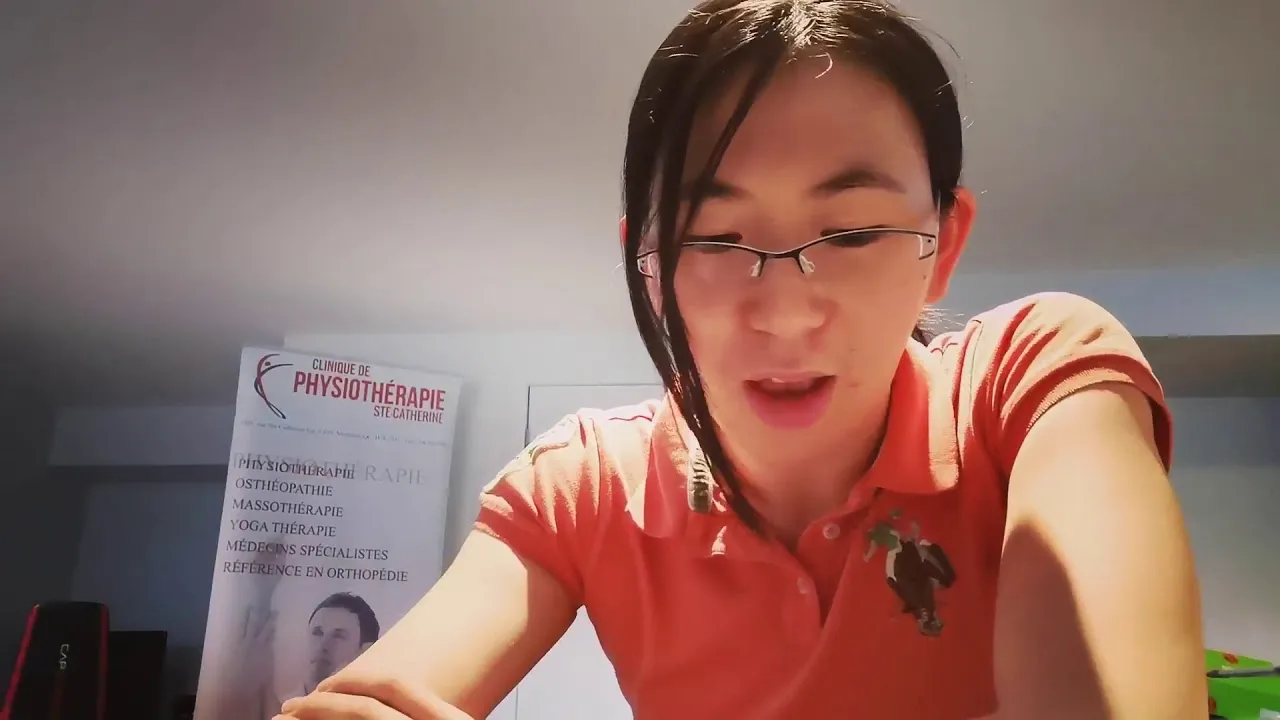
Physiotherapy can also adapt to teleconsultation
This video was recorded at a time when physical distancing required professionals and patients to find new ways to stay connected. The physiotherapist explains how teleconsultation in physiotherapy works and what can still be done when an appointment takes place by video conference.
What is different from an in-clinic consultation?
The main difference is obvious: remotely, the physiotherapist cannot physically touch the patient. However, the video explains that a large part of the clinical questioning can still be performed.
The professional can discuss symptoms, ask medical questions, observe certain movements and perform some tests adapted to a video format. Advice and exercise instruction can also be provided.
Can an assessment be done remotely?
In the video, the physiotherapist refers to research data she had reviewed at the time. She specifically mentions a result of 83% diagnostic agreement in a comparison between teleconsultation and usual consultation.
This number is presented in the video as an example of what the available literature showed for certain assessments. It does not mean that every condition can be diagnosed remotely.
What about treatment?
The video also presents a study involving patients following knee surgery. According to the graph shown in the video, functional outcomes and patient satisfaction with teleconsultation were comparable, and in that specific context even appeared higher, than with conventional treatment.
Again, this is an example presented in the video and not a rule that applies to every injury or condition.
Why use telephysiotherapy?
The physiotherapist summarizes several reasons to consult remotely:
- receive an initial assessment or diagnostic orientation when possible;
- find out whether you need to see a physician or undergo another medical test;
- receive advice about what to do or avoid at home;
- get exercises adapted to your condition;
- learn certain self-mobilization or self-massage techniques.
The final goal remains to help you return to the activities you enjoy with less pain and more confidence. When teleconsultation is not sufficient, an in-person appointment or referral to another professional may be recommended.
