Another way to access physiotherapy guidance
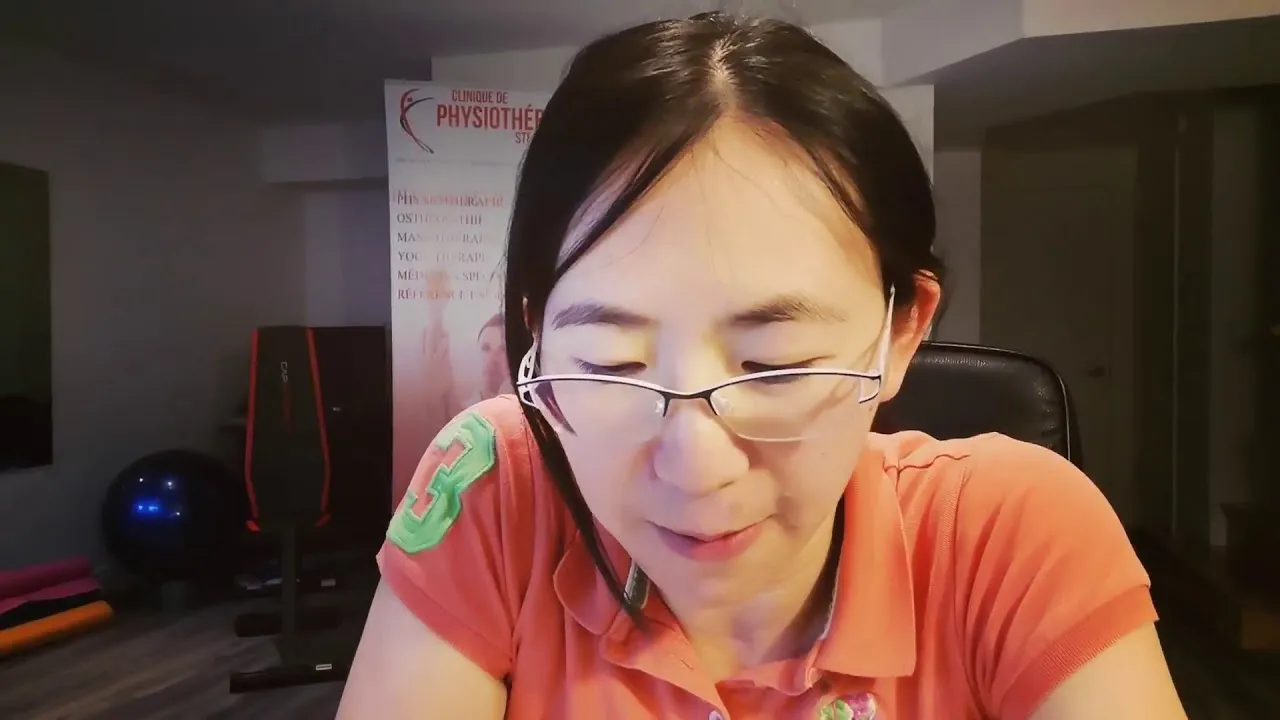
In this English-language video, the physiotherapist explains why telehealth for physiotherapy can be useful when a patient cannot or does not wish to come to the clinic in person.
The consultation takes place by video conference. Even though the professional cannot perform hands-on techniques remotely, several important parts of a physiotherapy consultation can still be completed.
What can be done during a video consultation?
The physiotherapist explains that it is possible to gather relevant medical information, ask questions about pain and limitations, observe certain movements and use some assessment tests that can be adapted to video.
Treatment can also include:
- advice adapted to the situation;
- exercise instruction;
- recommendations about what to do or avoid;
- self-mobilization techniques;
- self-massage techniques.
Is teleconsultation effective?
The video presents research comparing teleconsultation with conventional consultation. The physiotherapist mentions 83% diagnostic accuracy in the study used as an example.
She also presents a study on rehabilitation after knee surgery. In the graph shown in the video, outcomes related to function and patient satisfaction with teleconsultation were comparable or favorable in that particular context.
These findings relate to the research shown in the video and do not mean that telehealth is automatically appropriate for every condition.
Why not simply wait?
One of the key messages in the video is that a person living with pain may need to know what to do now. A remote consultation can help determine whether a physician or further testing is needed, provide appropriate exercises and help the person start managing symptoms more effectively.
Getting back to the activities you enjoy
The goal described in the video is the same as in a traditional consultation: help the person return to the activities that matter to them with less pain and better function.
Telehealth is therefore one option among several. Depending on the condition and the person’s needs, the physiotherapist may determine that an in-person appointment is more appropriate.
